Kubernetes Dynamic Resource Allocation Boosts AI Workload Flexibility and Governance
NVIDIA and Google’s DRA donations enhance Kubernetes scheduling for AI workloads, improving resource efficiency and compliance alignment in multi-cloud environments relevant to regulated Romanian and EU enterprises served by LoG Soft Grup.
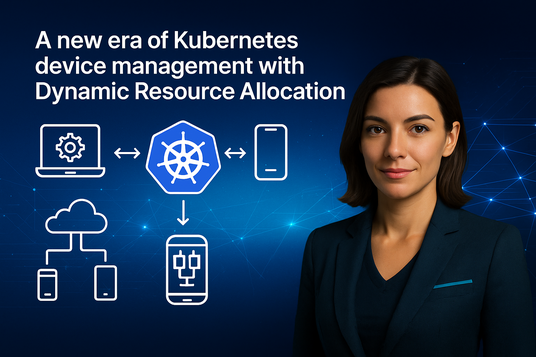
In brief
- Kubernetes Dynamic Resource Allocation (DRA) modernizes AI workload scheduling by enabling flexible, attribute-based hardware requests beyond static allocations. LoG Soft Grup’s expertise in multi-cloud Kubernetes platforms, including GKE, supports integrating DRA for enhanced AI infrastructure governance.
- DRA’s DeviceClasses and ResourceClaims improve workload portability and optimize hardware utilization, aligning with cost-aware, compliant operations under PCI, GDPR, and emerging NIS2 standards. This is critical for regulated Romanian and EU enterprises prioritizing security and efficiency.
- The Kubernetes AI Conformance program’s adoption of DRA highlights its growing importance in standardized AI/ML environments, an area where LoG Soft Grup advises on Terraform/Terragrunt automation and cloud cost optimization. This supports measurable outcomes in complex, regulated-industry deployments.
- LoG Soft Grup’s Romania-based delivery and regulated-industry infrastructure experience position it well to assist organizations adopting DRA-enabled Kubernetes clusters, particularly within AI and machine learning workloads requiring rigorous compliance and multi-cloud flexibility.
The problem
The introduction of Kubernetes Dynamic Resource Allocation (DRA) marks a significant advancement in managing AI workloads across multi-cloud environments, addressing longstanding challenges of static hardware provisioning and inefficient resource use. For regulated Romanian and EU enterprises, particularly those subject to PCI, GDPR, and NIS2 compliance, this evolution is critical to maintaining secure, cost-effective, and flexible infrastructure governance. As AI workloads grow in complexity and scale, the ability to specify detailed hardware requirements and optimize scheduling dynamically reduces operational risks and enhances workload portability. LoG Soft Grup’s expertise in regulated-industry Kubernetes deployments and multi-cloud automation positions it to support organizations navigating these emerging standards and infrastructure innovations with a security-first, compliance-aware approach.
Why this happens
A root cause limiting efficient AI workload management in regulated environments has been Kubernetes’ earlier reliance on static, integer-based hardware requests that forced pre-provisioning and manual node pinning—practices misaligned with multi-cloud realities and dynamic resource demands. This static model conflicted with regulated-industry expectations for precise resource governance, security, and cost control under PCI, GDPR, and NIS2 frameworks, especially for Romanian and EU enterprises where compliance and auditability are paramount. Misconceptions have persisted that Kubernetes scheduling alone can handle complex hardware constraints without attribute-based resource claims or topology awareness, overlooking the need for advanced abstractions like DeviceClasses and ResourceSlices to enable scalable, compliant AI infrastructure. LoG Soft Grup recognizes that maturing Terraform/Terragrunt automation and documentation practices are critical to fully leverage DRA’s capabilities, ensuring knowledge transfer and repeatable deployments across AWS, Azure, VMware, and GKE platforms. Without this rigor, organizations risk fragmented implementations that fail to optimize hardware utilization or meet FinOps pressures. The Kubernetes AI Conformance program’s emphasis on DRA underscores the growing regulatory and operational imperative for standardized, flexible device management—an area where LoG Soft Grup’s experience in regulated-industry infrastructure governance supports clients in navigating the complexity of multi-cloud AI workloads while maintaining compliance and cost efficiency.
Framework
Cost-Effective AI Infrastructure Governance
LoG Soft Grup leverages Kubernetes Dynamic Resource Allocation (DRA) to optimize AI workload scheduling, reducing manual node pinning and improving hardware utilization. This capability supports FinOps initiatives such as Bill Autopsy and GainShare by aligning resource requests with actual workload needs, delivering measurable cost savings across multi-cloud environments.
Security and Compliance Alignment
DRA’s attribute-based resource claims and topology awareness enable precise hardware governance critical for PCI, GDPR, and NIS2 compliance. LoG Soft Grup integrates these capabilities into its PCI/GDPR/NIS2 Readiness Sprint and InfraShield services, ensuring regulated Romanian and EU enterprises maintain audit-ready, secure AI infrastructures.
Multi-Cloud and Terraform Automation Expertise
LoG Soft Grup applies rigorous Terraform and Terragrunt automation to deploy and manage DRA-enabled Kubernetes clusters across GKE, AWS, Azure, and VMware. This ensures consistent, repeatable multi-cloud infrastructure provisioning that supports complex AI workloads with enhanced portability and operational reliability.
AI Infrastructure Capability Building
Through runbooks, knowledge transfer, and FinOps-as-a-Service, LoG Soft Grup empowers teams to adopt and operate DRA-driven AI workloads effectively. This capability builder approach mitigates risks of fragmented implementations and fosters ownership, enabling sustained compliance and cost optimization in evolving AI environments.
Systems Thinking for Cross-Domain Optimization
By integrating DRA’s global hardware topology view with security, compliance, and cost controls, LoG Soft Grup adopts a systems thinker perspective that aligns AI workload scheduling with enterprise governance frameworks. This holistic approach enhances operational efficiency and regulatory adherence across infrastructure, security, and financial domains.
Local Talent and Delivery Excellence
LoG Soft Grup’s Romania-based delivery model combines regional regulatory expertise with deep Kubernetes and AI infrastructure knowledge. This local presence ensures culturally aligned, security-conscious support for enterprises adopting DRA-enabled Kubernetes solutions in regulated EU markets.
How to get started
- Conduct discovery and document current Kubernetes AI workload scheduling limitations and hardware resource usage.
- Implement Terraform/Terragrunt automation to deploy DRA-enabled Kubernetes clusters across GKE, AWS, and Azure.
- Apply cost optimization levers through FinOps practices aligning resource claims with actual AI workload demands.
- Integrate security and compliance hardening focused on PCI, GDPR, and NIS2 within AI infrastructure governance frameworks.
- Develop AI infrastructure readiness via runbooks and knowledge transfer tailored to Romanian and EU regulated-industry environments.
Risks & trade-offs
Strategic zoom-out
The advent of Kubernetes Dynamic Resource Allocation (DRA) introduces a pivotal evolution for regulated Romanian and EU enterprises managing AI workloads, underscoring the necessity for disciplined governance, multi-cloud consistency, and compliance rigor. LoG Soft Grup’s advisory focus on integrating DRA within Terraform/Terragrunt-driven lifecycle automation ensures that deployments remain repeatable and auditable across GKE, AWS, Azure, and VMware platforms, mitigating risks of configuration drift and operational fragmentation. By embedding attribute-based resource claims and topology-aware scheduling into PCI, GDPR, and NIS2-aligned frameworks, LoG Soft Grup supports clients in achieving precise hardware governance essential for secure, compliant AI infrastructure. Furthermore, the company’s emphasis on FinOps discipline addresses cost optimization challenges inherent to flexible resource allocation, while its commitment to comprehensive documentation and knowledge transfer fosters sustainable operational maturity and AI infrastructure readiness. This measured approach prioritizes principles and targeted advisory engagements over broad rollouts, aligning with LoG Soft Grup’s strategic delivery capabilities rooted in Romanian and EU regulatory contexts.
Next steps we recommend
Organizations exploring Kubernetes Dynamic Resource Allocation for AI workloads may find value in LoG Soft Grup’s Terraform/Terragrunt rescue and InfraShield Documentation Sprint services, which help ensure secure, compliant, and cost-effective multi-cloud deployments aligned with PCI, GDPR, and NIS2 requirements.